
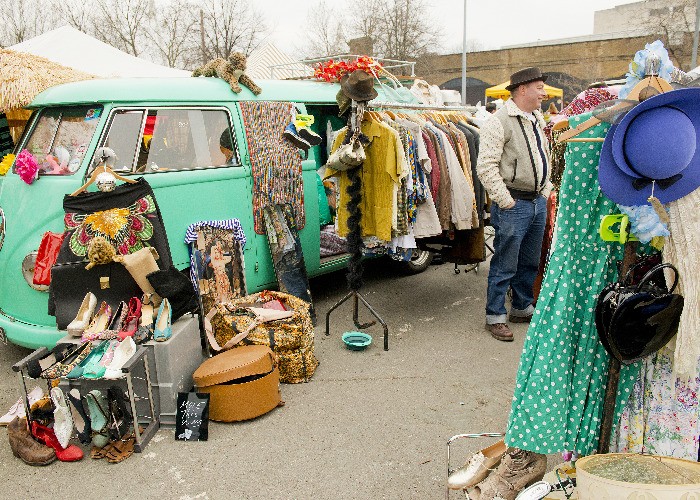
Need some extra cash? The car boot sale is a great way of emptying the contents of your loft or garage, and raising some funds for your collection. Follow our top tips on having your own car boot sale.
Finding a car boot sale is a relatively straightforward process, as they are held in a wide variety of venues such as fields, school playgrounds, or car parks. These events are often advertised through various channels to attract both buyers and sellers. Here are some tips on finding a car boot sale:
- Internet: The internet is a valuable resource for finding car boot sales in your area. Websites dedicated to car boot sales provide information about upcoming events, including dates, locations, and contact details. You can also find online directories and forums where enthusiasts share information about local sales.
- Classified Columns and Local Papers: Check the classified sections of specific magazines or local newspapers. These publications often include advertisements or listings for upcoming car boot sales. Keep an eye out for regular features or special editions that focus on community events or buying/selling opportunities.
- Local Notices: Take a look at notice boards in your neighborhood, community centers, supermarkets, and other public places. Organizers often post notices or flyers in these locations to promote their car boot sales. These notices usually provide essential details like dates, times, and locations.
Once you’ve found a car boot sale to attend, here are some tips to make the most of your experience:
- What to Sell: Car boot sales offer a platform to sell a wide range of items. You can sell everything from old furniture, second-hand clothes, books, electrical equipment, and more. Remember, just because you no longer want something doesn’t mean someone else won’t find it valuable.
- Admission Charges: Most car boot sales require a small fee for sellers to secure a spot. The fee allows you to set up your car and display your unwanted items for sale. The amount charged varies depending on the event and location.
- Pricing Your Goods: If you decide to price your items, make sure to do so clearly using sticky labels or tickets. It’s common for buyers, including dealers, to start rummaging through your items as you unpack. While this may be disconcerting at first, it can also serve as an opportunity to engage with potential customers and “break the ice.”
- Bring Change: It’s important to have plenty of change on hand for transactions. Consider carrying it in a secure purse belt for safety and convenience. While some buyers may prefer to pay with larger bills, it’s always a good idea to have a range of coins and smaller denomination notes available. Avoid accepting checks whenever possible, as cash transactions are typically the norm at car boot sales.
Planning carefully is crucial for a successful selling experience at a boot sale. Here are some important considerations:
- Packaging and Protection: Ensure you pack your items carefully, especially fragile ones. Use plenty of wrapping materials, such as newspaper and cardboard boxes, to safeguard delicate items like china and glass. For pictures and prints, wrapping them in old blankets can provide adequate protection.
- Essential Supplies: Bring along a table to display your items effectively. Consider using a wall-papering table or a picnic table, which are ideal for this purpose. Additionally, bring a collapsible chair for comfort during the day. When loading your car, place the table on top to avoid unloading everything just to access the table.
- Enlist Help: If you anticipate needing a break or want to explore other stalls, it can be beneficial to have a friend or family member join you at the boot sale. They can assist in managing your stall while you take a break or help keep an eye on your items while you browse other sellers’ stalls.
- Early Arrival: Give yourself ample time for the journey to the boot sale venue and aim to arrive early. By arriving ahead of the crowds, you can secure a favorable position that attracts maximum buyer attention. Positioning your goods strategically ensures they are seen early on when buyers have not yet spent all their money elsewhere.
- Haggling: It’s important to remember that haggling is a common practice at car boot sales. Buyers often expect to negotiate on prices, so be prepared to lower your prices to encourage sales. Consider setting your initial prices slightly higher than what you are willing to accept, allowing room for negotiation. Be open to offers and willing to engage in friendly bargaining to reach a mutually beneficial agreement. However, it’s also important to know the value of your items and set a bottom line that you’re not willing to go below. Finding a balance between making sales and maintaining reasonable prices will help create a positive selling experience.
- Clothing: Dress appropriately for the car boot sale, taking into consideration the weather conditions and the venue. If the sale is in a muddy field or during rainy weather, wearing rainwear and boots is advisable to keep yourself comfortable and protected. Opt for practical and comfortable clothing that allows you to move freely while managing your stall. By wearing suitable clothing and bringing refreshments, you’ll be well-prepared to tackle the day at the car boot sale. Staying comfortable and nourished allows you to focus on managing your stall and interacting with potential buyers without unnecessary distractions.
- Refreshments: It’s essential to stay energized and hydrated throughout the day, so consider bringing some food and beverages with you. Packing sandwiches or snacks will help keep hunger at bay, while a thermos filled with tea or coffee will provide a warm and refreshing drink. Having these refreshments on hand ensures you can sustain your energy levels and avoid interruptions for meals or drinks.
Tips of the trade
Here are some additional tips to enhance your car boot sale experience:
- Price Stickers: To save time and make pricing your items easier on the day of the sale, put price stickers on your goods in advance. This allows buyers to see the prices clearly and reduces the need for constant negotiations.
- Packaging: When packing your items, opt for smaller cardboard boxes. They are more manageable and easier to move in and out of your car. This organization makes it simpler to set up your stall and retrieve items as needed.
- Bring a Table: Take a table, such as a paste table, to display your goods effectively. Having a dedicated space to showcase your items makes them more visible and accessible to potential buyers.
- Arrive Early: Contact the organizers ahead of time to inquire about the suggested arrival time. Arriving early gives you an advantage in securing a prime spot and allows you to set up your stall before the crowds arrive.
- Unloading Strategy: Upon arrival, unload your table and one box first. Lock your car while you unpack the box to avoid confusion and prevent people from browsing through your car before you’re fully prepared. This helps maintain organization and ensures a smoother selling process.
- Dealing with Dealers: Dealers often come early to make offers on valuable items. If their initial offers don’t meet your expectations, politely decline and suggest they check back later in the day. By doing so, you can focus on selling to individual buyers and potentially get better offers as the day progresses.
- Change and Money Management: Ensure you have plenty of change on hand to facilitate transactions. Carry a container with a lid to keep your earned money secure. Once you accumulate a few notes, consider locking them in your car to prevent any potential loss or theft.
- Comfort and Necessities: Take a chair for yourself to sit and rest during quieter periods. Wet wipes come in handy for quick clean-ups or refreshing yourself. Bring carrier bags for buyers to conveniently carry their purchased items. Packing sandwiches and a drink ensures you have sustenance throughout the day without needing to leave your stall.
- Shared Stall: Consider sharing the stall with a friend to reduce costs and have someone to take over when you need a toilet break. This collaboration provides support, allows for breaks, and ensures continuous coverage of your stall.
By following these tips, you can optimize your car boot sale experience, stay organized, and increase the chances of successful sales while attending to your personal needs.
Question 1: What is a car boot sale?
A car boot sale is an event where individuals sell unwanted items from the trunk of their cars, typically in a designated outdoor location.
Question 2: How do I find car boot sales in my area?
You can find car boot sales in your area by checking local advertisements, classifieds in newspapers or magazines, online platforms, or community notice boards.
Question 3: What can I sell at a car boot sale?
You can sell a wide range of items at a car boot sale, including old furniture, second-hand clothes, books, electrical equipment, toys, and more.
Question 4: How should I price my items for a car boot sale?
When pricing your items, consider their condition, market value, and what buyers are willing to pay. It’s generally a good idea to set affordable prices and be prepared to negotiate.
Question 5: How should I pack and transport my items to a car boot sale?
It’s advisable to pack your items in smaller boxes for easier handling. Ensure fragile items are well-protected with appropriate packaging materials. When transporting, make sure everything fits securely in your car to avoid damage during transit.
Question 6: What essentials should I bring to a car boot sale?
Essential items to bring include a table for displaying your goods, chairs for yourself and potential buyers, price tags or stickers, carrier bags for buyers’ purchases, and some small change for transactions.
Question 7: What time should I arrive at a car boot sale?
It’s recommended to arrive early to secure a good spot and attract early buyers. Contact the organizers to inquire about their suggested arrival time.
Question 8: How should I interact with buyers at a car boot sale?
Be friendly and approachable when engaging with potential buyers. Answer their questions about the items, be open to negotiation, and maintain a positive attitude throughout the sale.
Question 9: Can I haggle with buyers at a car boot sale?
Yes, haggling is common at car boot sales. Be prepared to lower your prices and negotiate with buyers. Consider setting your initial prices slightly higher to allow room for bargaining.
Question 10: What should I do with unsold items after a car boot sale?
If you have unsold items, you can choose to donate them to charity, recycle them, or save them for future sales. Properly organizing and storing your unsold items will make it easier for future events.
Lynne Smith, Cornwall